

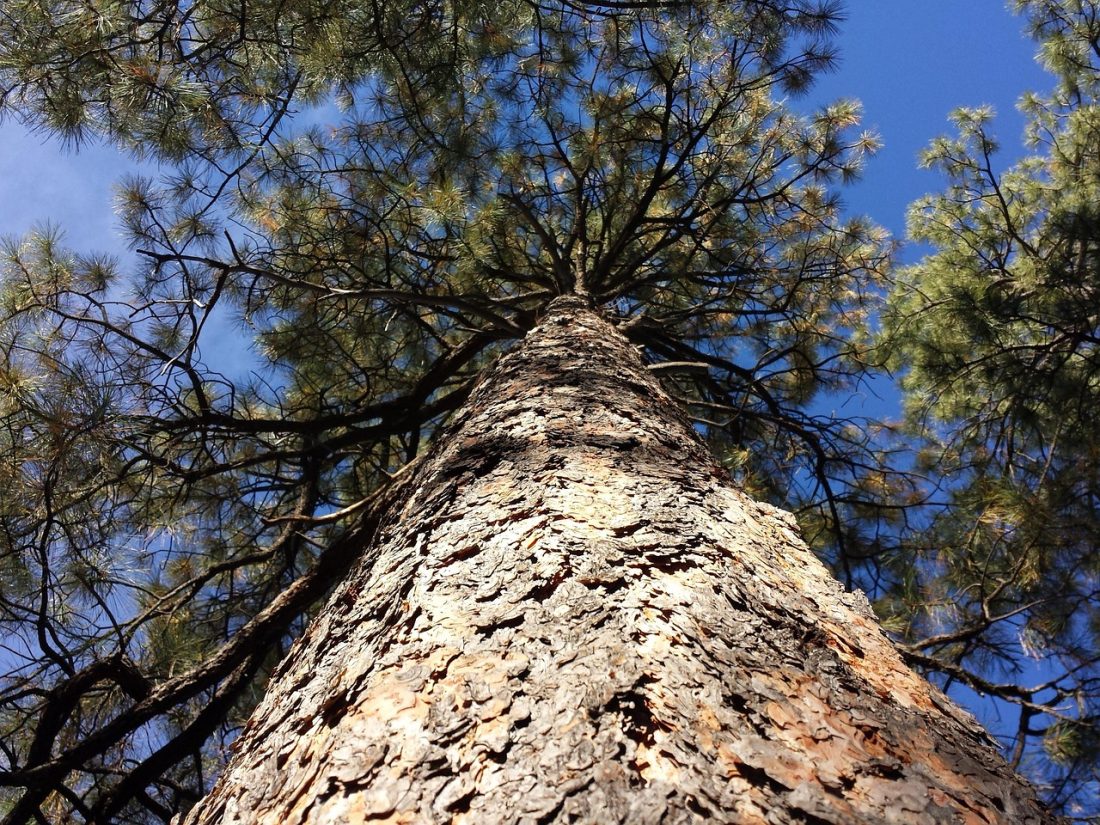
Ponderosa Pine: BC’s Resilient Pine of the Interior
The Ponderosa Pine (Pinus ponderosa) is one of British Columbia’s most heat- and drought-tolerant trees, thriving in dry, rocky environments where few other trees can survive. With its massive size, deep roots, and fire-resistant bark, this tree is a key part of BC’s interior landscapes.
How to Identify Ponderosa Pine
- Needles: Long, slender, and grow in bundles of three.
- Bark: Thick, deeply furrowed, and orange-brown, often flaking off in puzzle-like pieces.
- Size: Can reach over 60 meters (200 feet) tall, making it one of BC’s largest pines.
Ponderosa Pine’s Fire Survival Strategies
Unlike many trees that are destroyed by fire, Ponderosa Pine has evolved to survive:
- Its thick bark protects it from flames.
- Its high branches keep fire away from the canopy.
- Its seeds grow best in post-fire landscapes, helping forests regenerate.
Economic Uses of Ponderosa Pine
This tree is widely used for:
- Construction lumber, due to its strength and durability.
- Furniture and cabinets, thanks to its fine grain.
- Plywood, doors, and flooring, as it is lightweight and easy to work with.
Wildlife That Relies on Ponderosa Pine
- Squirrels, birds, and chipmunks feed on its seeds.
- Bears use its forests for cover and shade.
- Deer and elk shelter in its open woodlands.
Fun Facts About Ponderosa Pine
- The bark smells like vanilla or butterscotch when warmed by the sun.
- It is one of the tallest pines in North America.
- Some trees in BC are over 500 years old.