

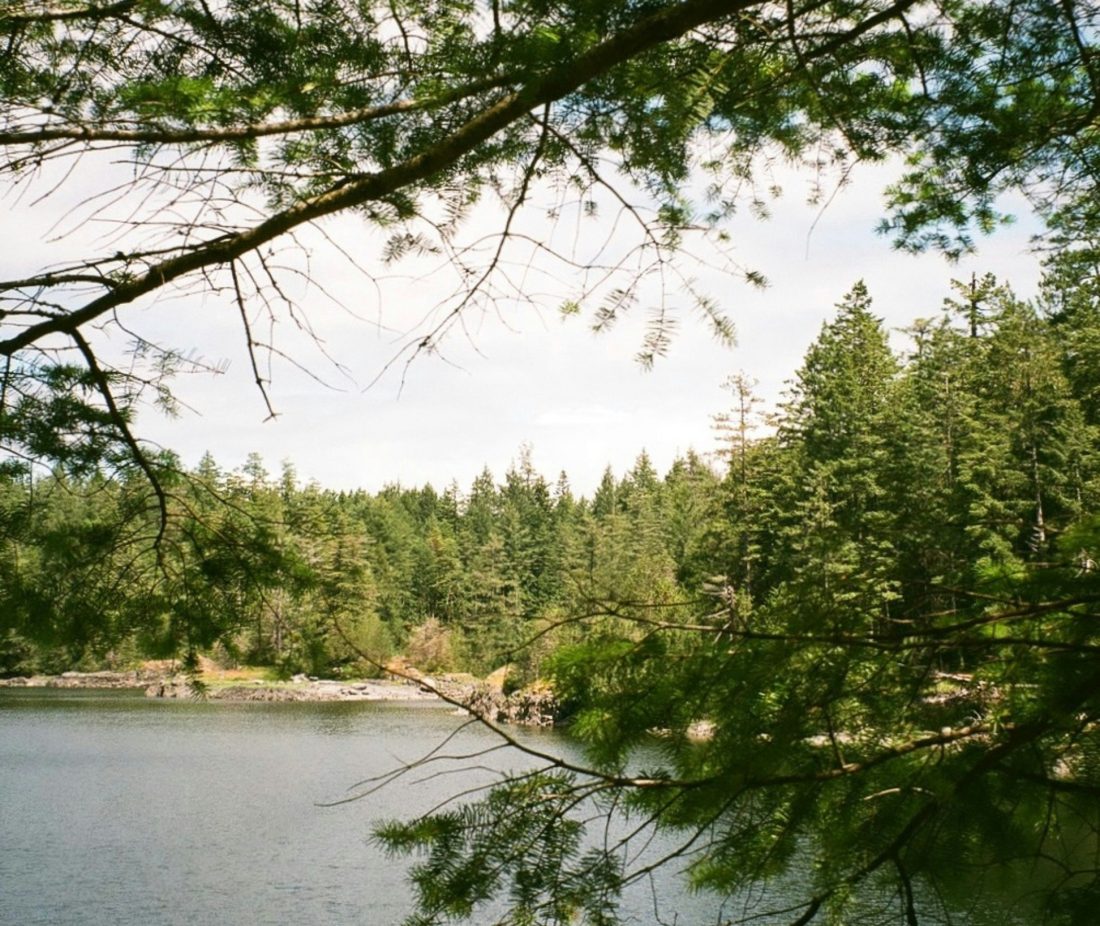
Western Hemlock: The Underrated Hero of BC’s Forests
Among BC’s towering conifers, the Western Hemlock (Tsuga heterophylla) often goes unnoticed. Yet, it is one of the most ecologically and economically significant trees in the province. Unlike sun-loving firs and spruces, Western Hemlock is a shade specialist, thriving beneath the canopy of old-growth forests.
Its soft, feathery needles and drooping leader give it a graceful appearance, but beneath that delicate look lies a tree that plays a crucial role in forest ecosystems and BC’s timber industry.
Recognizing Western Hemlock
Identifying Western Hemlock is easy once you know what to look for:
- Its topmost branch bends over, creating a distinct drooping shape.
- Its needles are short and vary in length, unlike the uniform needles of firs or spruces.
- Its bark is deeply grooved and reddish-brown, often covered in moss.
Western Hemlock is one of the longest-living trees in BC, with some specimens surviving for over 800 years!
Why Western Hemlock Matters
Western Hemlock is a key tree in BC’s timber industry, used for:
- Lumber in home construction, flooring, and paneling.
- Pulpwood, making it a valuable tree for paper production.
- Furniture, where its fine grain makes it easy to work with.
For Indigenous communities, Western Hemlock was traditionally used for medicine, dyes, and fishing gear, proving its versatility beyond just timber.
The Role of Western Hemlock in BC’s Forests
Western Hemlock is essential for biodiversity, helping:
- Shade-tolerant plants like ferns and mosses thrive.
- Birds and mammals find shelter in its dense, evergreen canopy.
- Nurse logs provide a habitat for young seedlings to grow.
Even after it falls, Western Hemlock continues to support life, acting as a host for fungi, insects, and new plant growth.
Fun Facts About Western Hemlock
- The largest Western Hemlocks can reach 70 meters (230 feet) tall!
- Despite its name, Western Hemlock is not related to the poisonous hemlock plant.
- Indigenous groups used its inner bark to create a medicinal tea for digestive health.
- Western Hemlock thrives in rainy, temperate environments, making it dominant in BC’s coastal forests.
- The wood of Western Hemlock is so durable that it is often used in marine pilings and dock construction.
Conclusion
Often overlooked, the Western Hemlock is a quiet but powerful force in British Columbia’s forests. Whether providing lumber, supporting wildlife, or keeping the forest floor lush with life, it remains one of BC’s most valuable and underrated trees.